What Income Counts for Child Support in Illinois?
Posted on December 21, 2025 in Child Custody
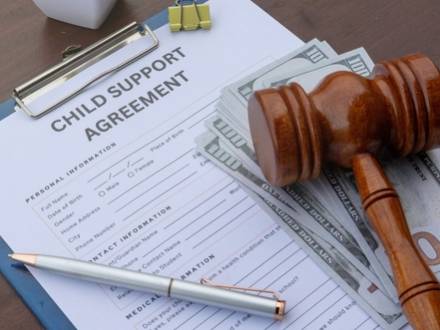 In Illinois, child support is based on a broad view of income, not just a paycheck. This matters for parents trying to budget, plan, or resolve support questions during or after a divorce. Courts consider multiple income sources to ensure that child support arrangements accurately reflect a parent’s ability to contribute.
As of 2025, Illinois continues to use the income shares model for child support, which considers both parents’ incomes and the child's needs. If you have concerns about how income will be calculated in your case, our experienced DuPage County, IL child support lawyers can help.
What Does Illinois Consider Income for the Purpose of Child Support Calculations?
Illinois child support is governed by the Illinois Marriage and Dissolution of Marriage Act. Section 750 ILCS 5/505 explains how courts calculate support and what income is considered.
Income is defined broadly. It includes money received from almost any source, whether it is regular or occasional. The goal is to reflect a parent’s real financial resources, not just wages listed on a W-2.
Common Types of Income That Count for Child Support in Illinois
Courts generally start with gross income, which means income before taxes and most deductions. This approach is used throughout courts in Illinois, including cases handled in DuPage County.
Income that commonly counts includes:
-
Wages, salaries, overtime, and bonuses
-
Self-employment income and freelance earnings
-
Commissions and tips
-
Unemployment benefits
-
Disability benefits that replace income
-
Pensions and other retirement income
-
Investment income, such as interest or dividends
-
Rental income after reasonable expenses
This list is not exhaustive. Courts may consider other sources if they provide financial benefit to a parent.
How Self-Employment and Business Income Are Treated in a Child Support Case
Self-employment income often receives closer review because it can be harder to verify. Courts look beyond gross receipts to determine what income is actually available for child support.
Business owners may deduct ordinary and necessary business expenses. However, personal expenses paid through a business may still be treated as income. For example, if a business pays for a vehicle or phone used mainly for personal reasons, that value may be added back into income.
Why Business Records Matter
Clear records help avoid disputes. Tax returns, profit and loss statements, and bank records are often reviewed to determine accurate income. Missing or inconsistent records can lead to additional scrutiny.
Do Bonuses and Overtime Always Count as Income for Child Support?
Bonuses and overtime usually count, but how they are handled depends on consistency. Regular bonuses and predictable overtime are often included in income calculations.
If bonuses or overtime are truly occasional, courts may average income over time or address those payments separately. The key factor is whether the income can reasonably be expected to continue.
Does Disability or Unemployment Income Count as Income for Child Support?
Many types of replacement income count for child support purposes. Disability benefits that replace lost wages are commonly treated as income. Unemployment benefits are also included. Some public assistance benefits paid specifically for a child may be treated differently. Whether a benefit counts often depends on its purpose and who receives it.
Income That May Be Excluded or Adjusted in a Child Support Case
Although income is defined broadly, courts can make adjustments in certain situations. One-time payments or reimbursements may not be treated the same as recurring income. Courts may also apply deductions allowed, such as existing child support obligations or costs for a child’s health insurance. These adjustments help tailor support to real-world circumstances.
Schedule a Free Consultation With Our Wheaton, IL Child Support Attorneys
If you have questions about what income counts for child support or believe income has been calculated incorrectly, contact Andrew Cores Family Law Group today. Our firm has served families since 1996, giving us decades of experience in child support matters. We can review your situation and explain how Illinois law applies to your finances. Call 630-871-1002 to schedule a free consultation with our DuPage County, IL child support lawyers today.